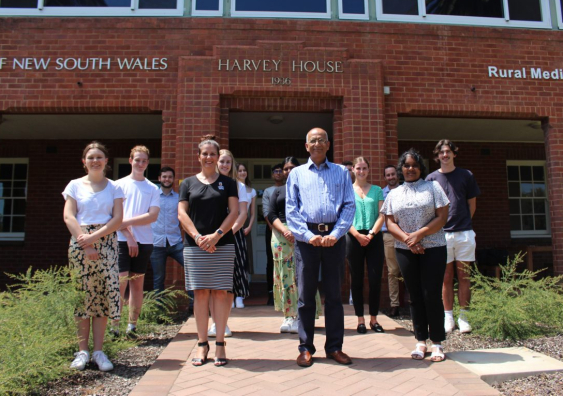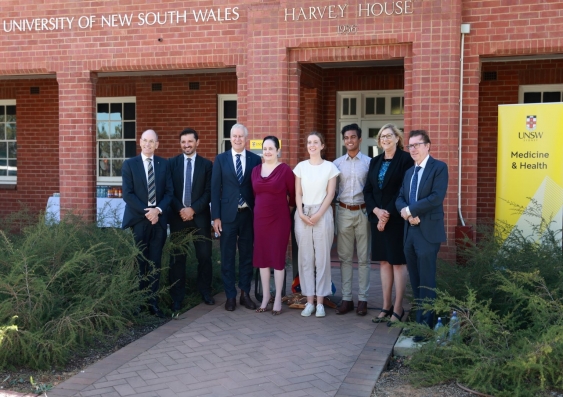




The Biomedical Sciences Centre is a purpose-built facility that will provide clinical skills training to medical students in rural NSW.
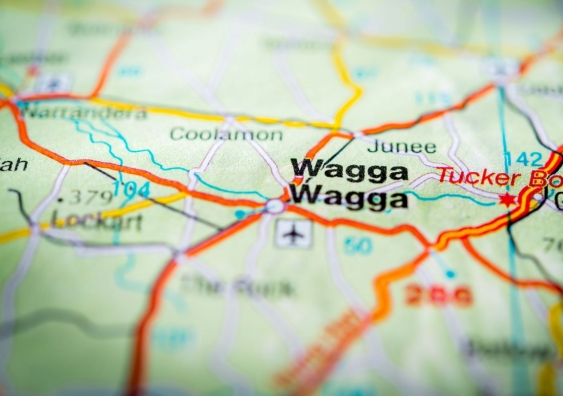
The UNSW Rural Clinical Campus in Wagga Wagga has officially opened, ensuring the next generation of rural and regional doctors can study in a state-of-the-art medical training facility.
The Biomedical Sciences Centre was supported by $21 million in funding from the federal government’s Murray-Darling Medical Schools Network.
The facility is located adjacent to Wagga Wagga Base Hospital and will expand medical teaching in the region. Students learning in the four-storey centre have access to specialised science laboratories for lessons in medical sciences, anatomy and clinical skills. These include high-tech simulation facilities and a dry anatomy lab, as well as a lecture theatre, tutorial rooms, study areas and a lounge, all fitted out with the latest technology.
The centre also provides opportunities for specialised postgraduate training, working closely with the Murrumbidgee Local Health District.
UNSW Associate Dean Rural Health and Head, Rural Clinical Campuses, Professor Tara Mackenzie, said the new facility would train country students in Wagga Wagga for their full degree and support graduating students to take on positions as country GPs and regional medical specialists.
“We’re really excited about this new facility because it empowers rural students to complete their medical training with a deeper appreciation of how medical knowledge is created in the context of rural and remote health,” she said.
“The opportunity for rural students to form lasting connections with clinical supervisors will be invaluable, benefiting both their professional development and the communities they will be a part of in the future.”
Federal Member for Macarthur Dr Mike Freelander, Chair of the Standing Committee on Health, Aged Care and Disability, said he was delighted to officially open the world-class centre.
“The Albanese government knows how important equitable access to quality health care is, wherever people live,” he said. “And that starts with training the healthcare practitioners we need close to home.
“The best way to grow a regional health workforce is by educating health practitioners in local communities and this new centre will do just that.”

Federal Member for Riverina Michael McCormack said the opening of this new facility was already transforming the way rural and regional health outcomes were being delivered.
“Securing this funding was a huge win for regional communities. It tackles the doctor shortage and boots regional health – making it easier to see a GP when you need one.
“The push to establish a network of Rural Medical School and specifically one for Wagga Wagga, began early in my parliamentary career and I am immensely proud to see the fruition of this project and the practical outcomes it delivers.”
UNSW Medicine & Health's Rural Clinical School has campuses across NSW, including Albury, Coffs Harbour, Griffith, Port Macquarie and Wagga Wagga. Since the program’s launch in 2000, the school has seen great success in training the next generation of rural doctors.
Professor Cheryl Jones, Dean of UNSW Medicine and Health, said UNSW was committed to working with regional communities to build the pipeline of a rural health workforce.
“Our UNSW Rural Clinical Campuses program is one of the longest-standing and most respected across Australia, with a strong legacy of producing graduates who not only undertake their training but establish their careers and live in rural, regional and remote communities,” she said.
“We have worked with the local community to imagine and then develop this facility. We know it will boost the number of doctors and other health professionals in the future who will practise in the Wagga Wagga area and surrounding regions.”
Media enquiries
For enquiries about this story, please contact Stefanie Menezes.
Tel: +61 2 9065 3225
Email: s.menezes@unsw.edu.au