Student projects

Project Snapshot
AgriCycle is a student-led humanitarian project focused on supporting rural communities in Northern Uganda alongside our partners Agricycle Uganda through designing and implementing humanitarian engineering solutions.
Our projects are typically divided across separate teams, which allows students from a range of engineering disciplines to apply their skills towards developing practical solutions that address real-world challenges. Students will be able to apply their own skills, experiences, and passions towards shared goals, providing opportunities for interdisciplinary learning.

About ChallENG Student Project
Agricycle UNSW is a collaborative student project that brings together students from diverse engineering disciplines to work together on sustainable, human-centred design projects, aimed at creating a positive social impact through real world applications.
The project first emerged as RiceCycle from an international practicum led to Gulu University by the Faculty of Engineering at UNSW in July 2017. After noticing excessive amounts of rice husks were being discarded, RiceCycle’s mission then evolved into developing low emission cookstoves able to convert rice husks into useful energy. As the project developed, its focus shifted to the optimisation of corn cob waste in Myanmar in partnership with the Community Agency for Rural Development (CAD) and Yangon Technological University (YTU).
Following the 2025 visit to Uganda to reconnect in-person with our Agricycle Uganda partners, our UNSW chapter has expanded our scope to engineering disciplines of all kinds. We are currently collaborating with AgriCycle Uganda to help them achieve their goals as a non-for-profit organisation; to reduce deforestation and supply energy to rural communities. Our teams currently strive to support rural communities in Uganda in various manners, ranging from sustainable soil monitoring, renewable energy system design, and to website development for community outreach.
ChallENG Area

- Join this team for
- Who we are looking for
- Why you should join
- Engineering Professional Practice
Skills in the area of:
● Environmental Engineering and Science: Learn Soil and Water Monitoring Techniques, valuable research skills and environmentally conscious design.
● Renewable Energy Engineering: Develop skills in sizing and modelling of hybrid-PV systems, learn valuable research skills, and practise human-centered design with real-world partners.
● Software Engineering and Computer Science: Develop skills in software and web development experience
Professional development
- Teamwork
- Leadership
- Human-centred Design
- Communication
- Integrity
- Innovation and excellence
- Diversity
- Respect
- Resilience
- Sustainability
Students who are:
- Motivated
- Passionate about human centred design
- Keen to learn and apply new skills
- Enjoy problem solving
Our teams typically consist of members from diverse engineering backgrounds, but we accommodate members from all faculties and discipline, particularly in:
- Electrical Engineering
- Environmental Engineering
- Civil Engineering
- Renewable Energy Engineering
- Software Engineering
- Natural Sciences
- Computer Science
Students from all backgrounds and interests are encouraged to apply!
Social's
- Students will get the opportunity to make a real world impact on communities
- Opportunities to develop technical and soft skills
- Apply knowledge gained from course-work to real life applications
- Work alongside other students in a multi-disciplinary team
- Gain practical design and research experience in a range of engineering applications.
- Contribute to building a future of climate resilience and environmental sustainability
Conditions apply to receive Engineering Professional Practice for Student Projects. You will need to apply via the Student Portal for this Project before you commence so the days can count towards your Engineering Professional Practice (EPP) program requirement (maximum 30 days). Being a member of a Student Project team does not guarantee that you will receive an Engineering Professional Practice placement and should not be the only motivating factor for joining a team.
Team Academic Advisor
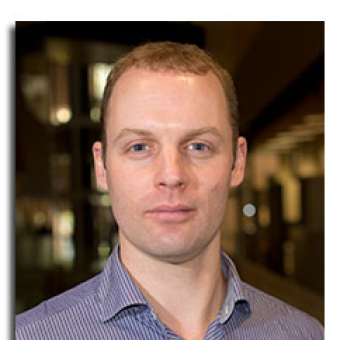

Andrew Dansie
Associate Professor
Sch: Civil & Environmental Eng
a.dansie@unsw.edu.au

Shamim Aryampa
Research Associate
Water Research Centre
s.aryampa@unsw.edu.au